
Full Report Sample
Understand your facial features, explore potential adjustments, and see the results against your photo. View the full sample below with no login or payment required.
01 · Your overall assessment
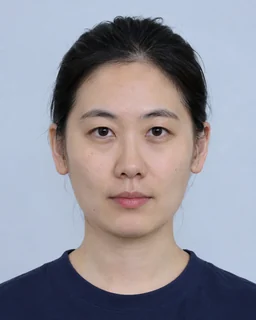
Sample photo used for analysis
Facial proportion score
Your softly tapered outline gives the face definition, while rounded eyes and gently shaped brows keep the overall impression soft. The contrast between lifted eye corners and flatter brows is a particularly distinctive pairing.
- Eyes
- 80 / 100
- Mid-face
- 75 / 100
- Jawline
- 87 / 100
- Symmetry
- 100 / 100
02 · Your key features
Lifted eye corners, softened by gentle brows
Your rounded eyes have slightly lifted outer corners. The gentler, flatter line of your brows softens that upward angle, giving the eye area definition without a strongly angular look.
View photo and measurements
Rounded chin with clean contours
Your cheeks taper gradually, yet the chin retains a rounded finish. This combination provides a clean, tapered look to the lower face without appearing overly sharp.
View photo and measurements
A fuller lower lip adds soft definition
Your lower lip looks fuller than your upper lip in this photo, while the upper lip line curves gently. That contrast gives the lips definition while keeping the mouth area soft.
View photo and measurements
03 · Eyes and Brows
Your rounded eyes and gently lifted outer corners create an open, lively appearance. The flatter brow shape softens the upward eye angle, so the brow-and-eye pairing feels defined without looking sharply angular.
View measurement details
Eye spacing relative to eye width
1.28×The distance between the inner corners of the eyes is approximately 1.28 times the average eye width.
How we measure
The distance between the inner corners of the eyes, divided by the average eye width. Green lines indicate inter-eye distance; blue lines indicate individual eye width.
Eye Opening Ratio
0.37×The average ratio of eye opening height to eye width is approximately 0.37, or 37%.
How we measure
The average vertical distance between the upper and lower eyelids compared to the eye width. Note that blinking and expressions may affect results.
Average Eye Tilt
+8.6°Relative to the facial horizontal reference, the outer corners tilt upward by 8.6° on average. This average does not describe each eye separately.
How we measure
The average angle of the outer eye corner relative to the inner corner, using a horizontal reference perpendicular to the vertical face axis. Green lines represent the eye axis; blue dashed lines represent the horizontal reference. The average does not imply both eyes tilt in the same direction.
Brow-to-Eye Ratio
0.80×The average distance from the brow to the upper eyelid is approximately 80% of the average eye width.
How we measure
The average distance from the brow arch to the upper eyelid, compared to the average eye width.
Brow Arch Ratio
0.15×The average ratio of brow arch height to brow span is approximately 0.15, or 15%.
How we measure
The average height of the brow arch relative to the line connecting the brow head and tail, compared to the length of that line.
04 · Overall Facial Proportions
Your face is significantly longer than it is wide, creating a lean, vertical aesthetic. The area from the base of the nose to the chin is visually prominent compared to the distance from the eye line to the nose, giving the lower face more weight.
View measurement details
Visible Facial Aspect Ratio
1.19×In this photo, the visible facial length is approximately 1.19 times the cheek span.
How we measure
The total face height is measured from the top model anchor point (not the hairline) to the chin, divided by the width between the cheeks.
05 · Nose and Midface
The width of your nose is modest relative to the width of your mouth, keeping the midface from appearing too broad. The nose length is moderate, consistent with your face's verticality, giving the midface a clean, uncluttered look.
View measurement details
Nose-to-Face Width Ratio
20.6%The span between the sampled nose points is approximately 20.6% of the cheek span.
How we measure
The width of the nose compared to the width between the cheeks.
Nasal Root to Base Ratio
30.4%Vertically, the distance from the nasal root to the base of the nose accounts for approximately 30.4% of the visible face height.
How we measure
The vertical distance from the bridge of the nose to the base of the nose, divided by the total face height.
Nose-to-Mouth Width Ratio
0.63×The span between the nasal sampling points is approximately 63% of the mouth width.
How we measure
The width of the nose divided by the width between the corners of the mouth.
06 · Lips and Mouth
Your lip lines are straight, and the width of your mouth is well-proportioned to your cheeks, appearing neither too narrow nor too wide. The lower lip is fuller than the upper, providing depth and a composed, peaceful expression.
View measurement details
Mouth-to-Face Width Ratio
32.8%The span between the mouth corners is approximately 32.8% of the cheek width.
How we measure
The width between the corners of the mouth compared to the width between the cheeks.
Total Lip Height to Mouth Width Ratio
0.36×The visible vertical height of the outer lip margins is approximately 36% of the mouth width, including any lip gap.
How we measure
The vertical height of the lips compared to the width between the corners of the mouth; this height includes the lip line.
Lower-to-Upper Lip Height Ratio
1.51×Excluding the lip gap, the visible lower lip height is approximately 1.51 times that of the upper lip.
How we measure
The ratio of the lower lip height to the upper lip height, excluding the lip line. Green lines indicate the lower lip; blue lines indicate the upper lip.
Philtrum-to-Lower Face Ratio
24.5%The distance from the nasal base to the upper lip margin accounts for approximately 24.5% of the distance from the nasal base to the chin.
How we measure
The vertical distance from the base of the nose to the upper lip margin, compared to the distance from the base of the nose to the chin.
07 · Facial Contour, Jaw, and Chin
Your facial contours taper smoothly from the cheeks to the jaw and chin. The chin is not overly sharp, retaining a degree of roundness. This transition creates a clean, firm lower face and centers the visual focus on the lower half of your face.
View measurement details
Jaw-to-Cheek Width Ratio
0.77×The jaw span is approximately 77% of the cheek width.
How we measure
A comparison of the jaw width to the cheek width. Green lines represent the jaw; blue lines represent the cheeks.
Chin-to-Jaw Width Ratio
0.55×The chin sampling span is approximately 55% of the jaw sampling span.
How we measure
The width of the chin compared to the width of the jaw.
08 · Symmetry and balance
There are subtle differences in the soft tissue contours between the left and right sides of your face, resulting in slight asymmetry when viewed head-on. This is a common facial characteristic, primarily visible in the transition between the jawline and cheek edges.
View asymmetry
09 · Improvement Suggestions
Chestnut layers, an ivory jacket, a complete new look
The following adjustments form a complete look, shown below. You may also try individual elements you prefer.
Side-swept layers to frame your face
In the original photo, your hair is pulled back, fully exposing your contours. The preview uses side-swept bangs and S-shaped curves to frame your face. The chestnut color and hair texture add clarity, complementing your tapered jawline.
How to try
- If you are open to wearing your hair down, consider this collarbone-length style with side-swept bangs, starting with your current hair length.
- Focus volume on the sides of your cheeks while keeping the crown natural and the ends slightly flipped. If you decide to change your hair color, consider this deep chestnut shade.
- When getting a haircut, use this preview as a reference for your stylist, adjusting based on your actual hair texture and volume.
Desired effect The visual focus shifts from fully exposed contours to the interplay between your eyes, brows, and hair, creating a softer overall look.
View analysis
Contour and Jawline AnalysisAn ivory jacket with a deep green neckline
The original dark crew-neck top is quite simple. The structured shoulders of the ivory jacket create a sharper silhouette, while the dark green square-neck top adds color depth that complements the soft curves framing your face.
How to try
- Try an open, structured light-colored jacket over a dark green square-neck top to contrast with your original dark crew-neck.
- Keep the neckline and shoulder lines clean so your hair, collar, and jacket are clearly defined.
- Compare by taking photos under the same lighting and angle, then choose the style you prefer and feel comfortable in.
Desired effect Create clear layers between your face, hair, and shoulders for a more polished personal image.
View analysis
Overall Proportion AnalysisSubtle makeup and softer lighting
The style preview preserves your natural features, using groomed brows, subtle eyeliner, and low-saturation lip color to highlight your eyes and lips. The warm gray background and soft lighting enhance the texture of your hair, skin, and clothing.
How to try
- For a light makeup look, follow your natural brow shape, apply eyeliner close to the lash line, and keep lip color within your natural lip line without heavy contouring.
- Choose a simple background and shoot by a window or under soft, diffused light. Use moderate front-fill lighting to preserve natural skin texture and tone.
Desired effect Focus changes on styling and photography techniques while ensuring you remain instantly recognizable.
Full Content
10 · Full Look Preview
A deep chestnut side-parted layered style, ivory jacket, and dark green top, paired with natural makeup and soft lighting, create a more defined personal image. Your features remain the same; the transformation comes from the styling.
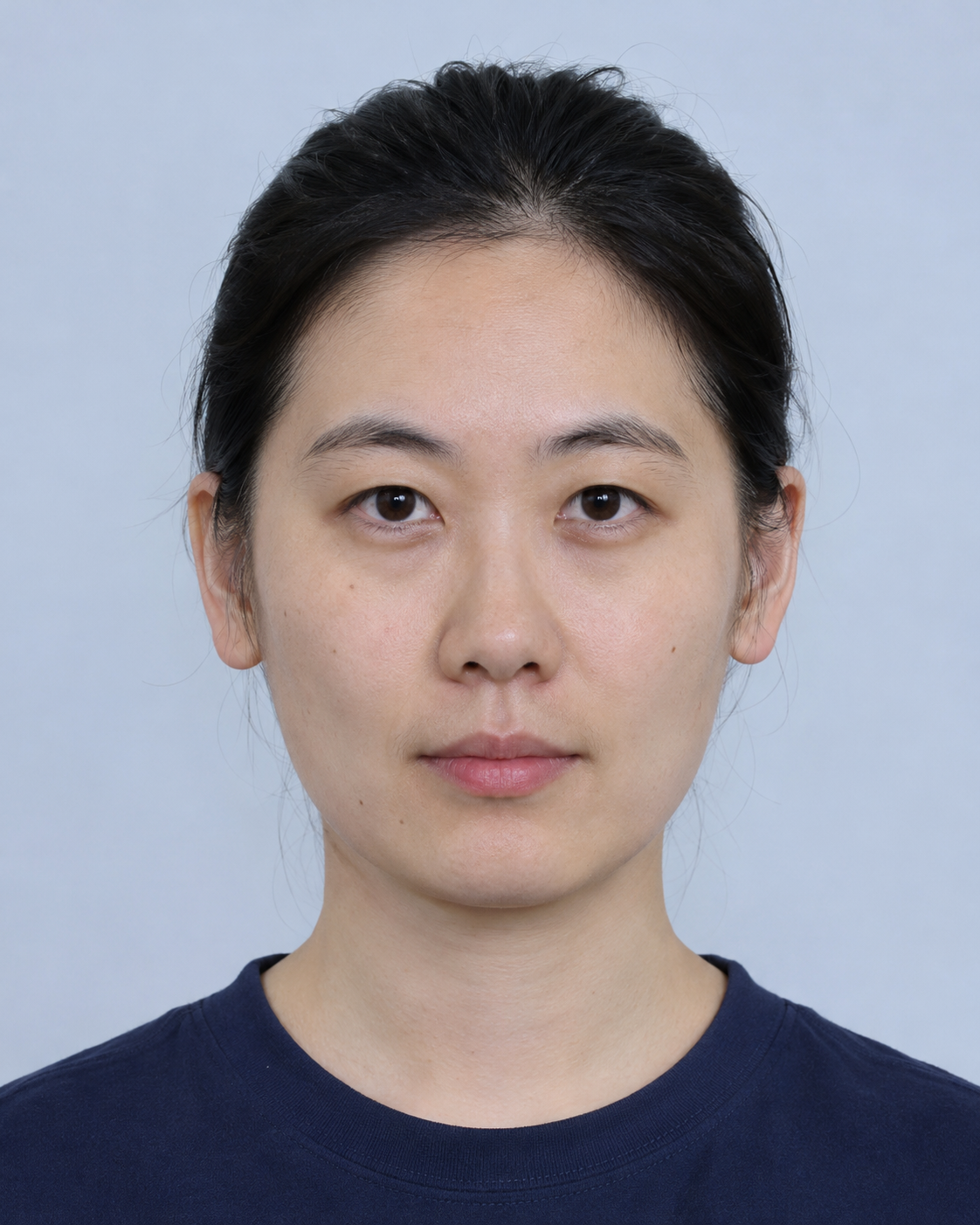
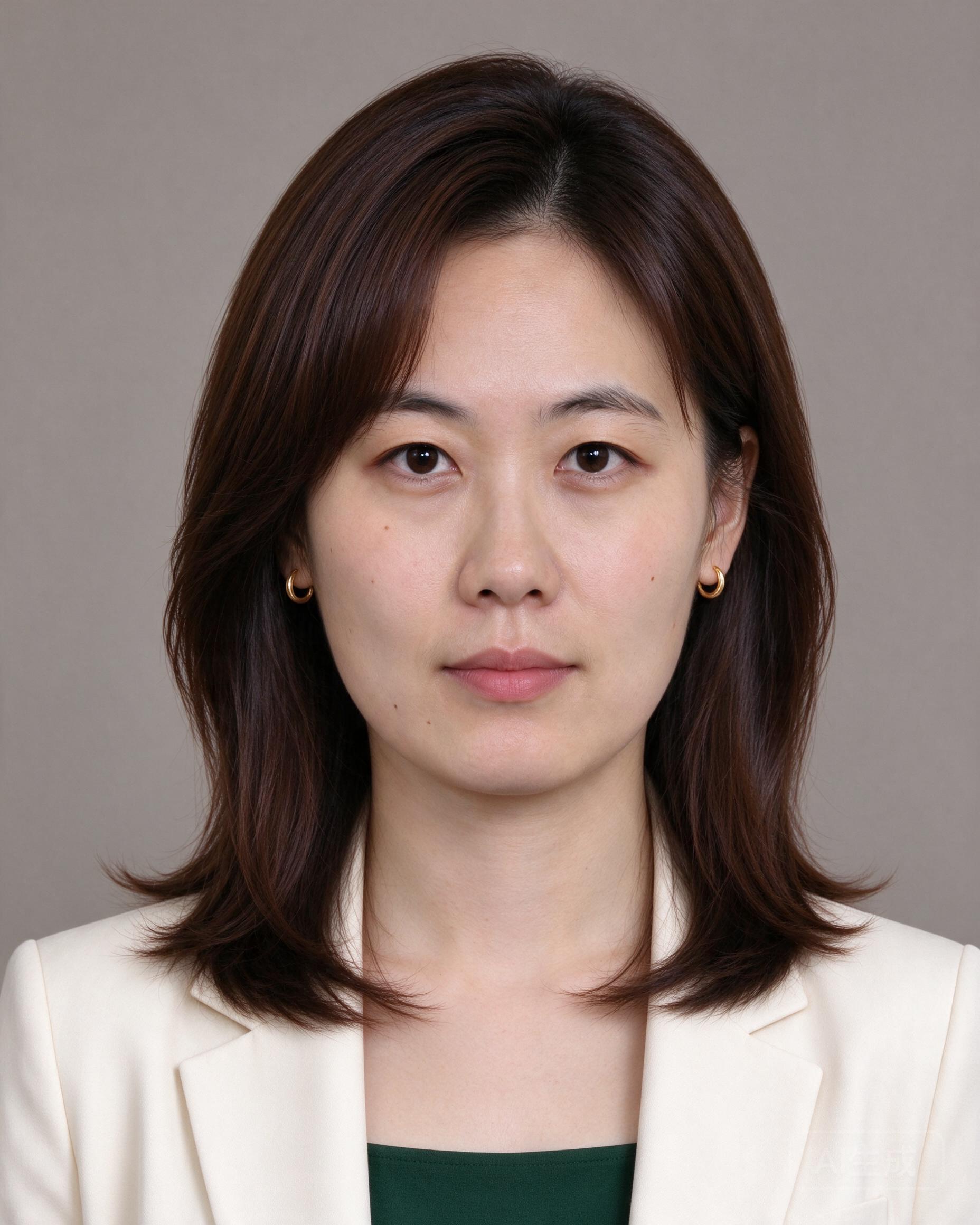
AI-generated style preview for exploring ideas. Actual results may differ; your original score stays the same.
Explore suitable adjustments
Upload a photo for a free analysis including your score, key features, eye and brow interpretation, and one improvement suggestion. The full version includes five additional detailed evaluations, up to three improvement suggestions, and a complete style visualization.